
Ubuntu tech blog
- Press center
- Canonical blog
- Ubuntu Discourse
- Events

This blog demonstrates how to easily deploy monitoring tools at the edge using Kubernetes. In IoT scenarios, such a deployment brings the benefits of privacy,...

From the smallest startups to the largest enterprises alike, organisations are using Artificial Intelligence and Machine Learning to make the best, fastest,...

Discovery is an integral part of any store experience. Sometimes, you know what you want and need, and the experience can be short and transactional. On other...

Recently, I gave a keynote at the Cloud Native / OpenStack Days in Tokyo titled “the ten new rules of open source infrastructure”. It was well received and...

A portable, multi-cloud install for Knative, using Microk8s.

What is Mir, what is Wayland, do I care? Shells for graphical interfaces come in many forms, from digital signage and kiosks that just show a single full...

Today, Canonical announces its Charmed OpenStack on Ubuntu has been selected by BT as a key component of its next generation 5G Core. Canonical, the company...

Artificial intelligence relies on machine vision just as much as human intelligence relies on vision. Image sensors are, therefore, crucial for AI...

Newsletter signup
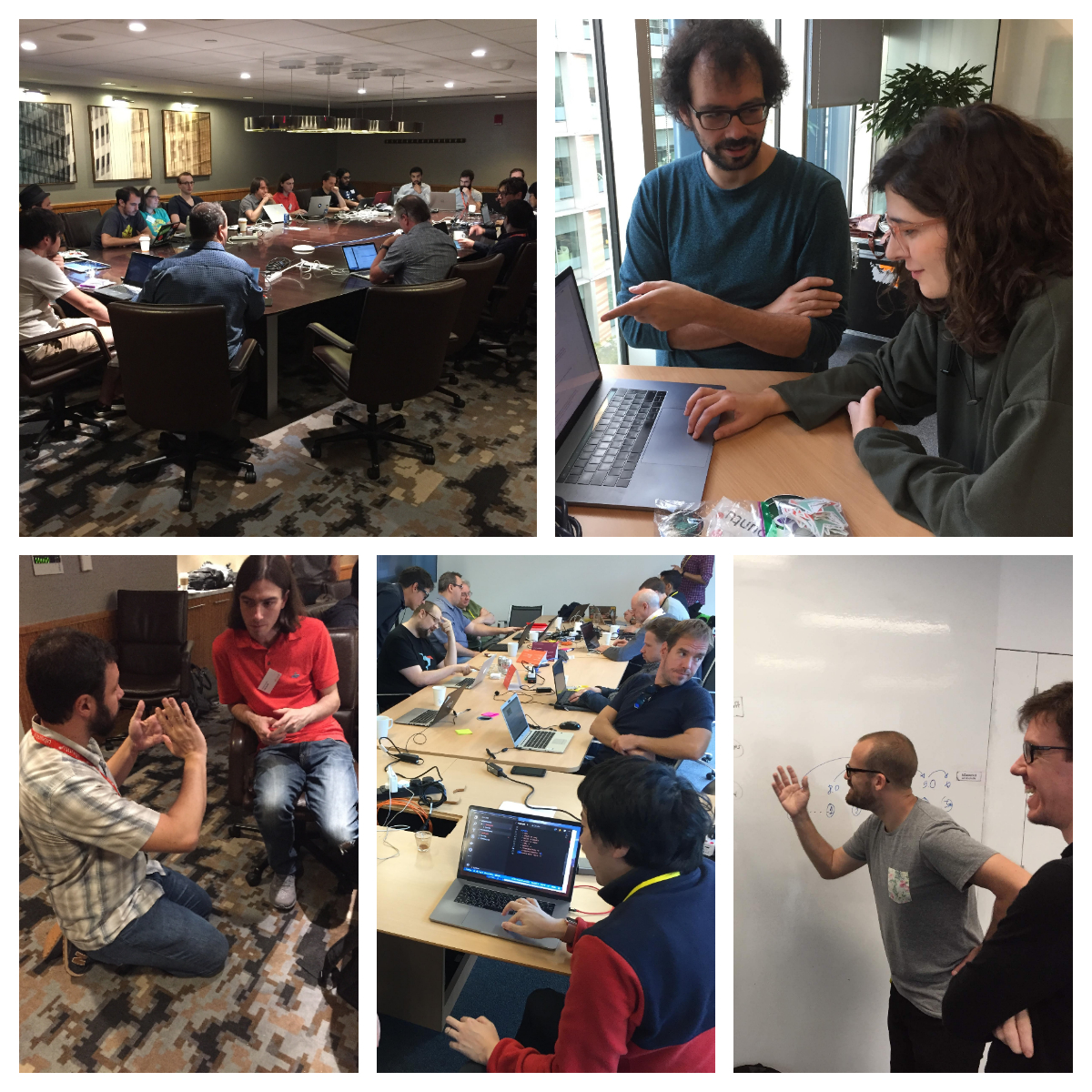
In January 2018, Dani Llewellyn joined her first Snapcraft Summit in Seattle in her role as a community Snapcrafter. At that event, we discussed her views on...

Lifecycle management entails fulfilling changing requirements over time. However, there is a gap that the existing robot development frameworks do not...

CMake is an open-source, cross-platform family of tools designed to build, test and package software. It is used to control the software compilation process...

As you probably know, there are many ways you can build snaps: locally using snapcraft, with CI systems like Travis, through Launchpad, and also via the free...

LXD, the system container manager, developed by Canonical and shipped by default with Ubuntu, makes it possible to create many containers of various Linux...
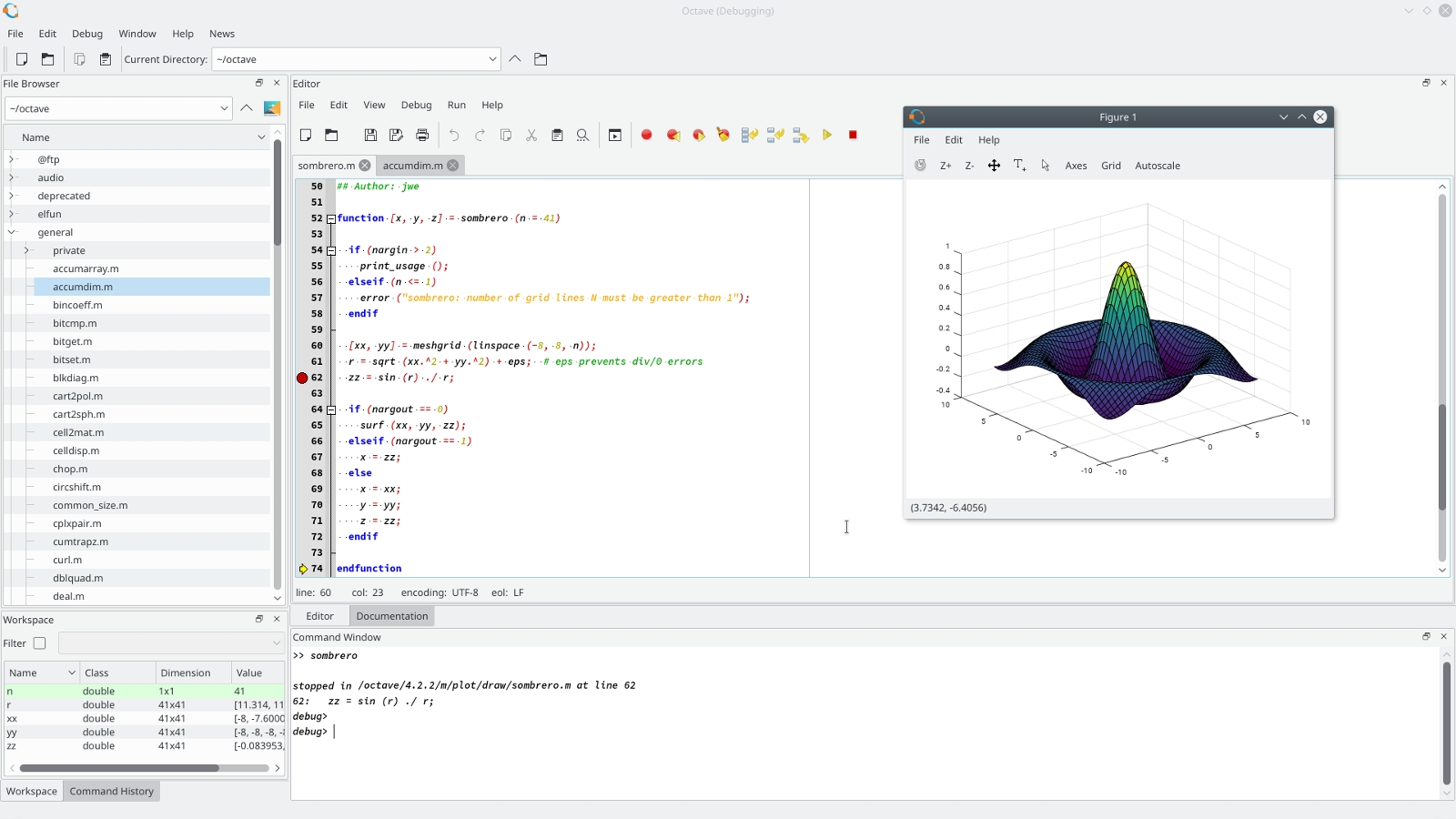
Octave is a numerical computing environment largely compatible with MATLAB. As free software, Octave runs on GNU/Linux, macOS, BSD, and Windows. At the 2019...
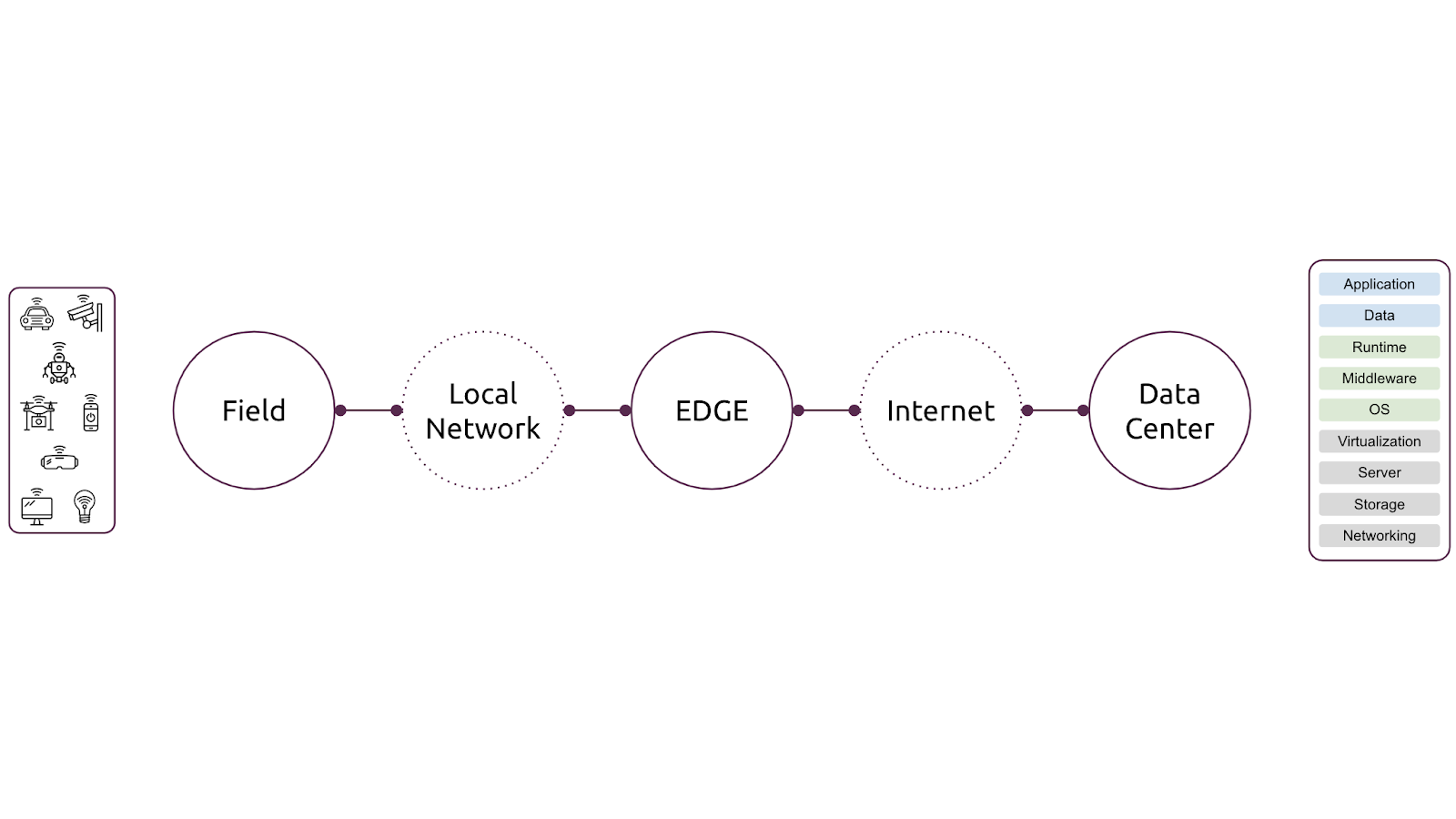
Edge computing continues to gain momentum to help solve unique challenges across telco, media, transportation, logistics, agricultural and other market...

Canonical is happy to announce the availability of MAAS 2.6. This new release introduces a range of very exciting features and several improvements that...
The source
Explore the vision behind the code
Curious about where the industry is heading? Visit our sister blog, The Source, where we share Canonical's perspective on the future of open source, insights into our product philosophies, and expert takes on the tech landscape.